

The Bureau of Labor Statistics recently reported that, in Q4 2024, as many as 3.2% of all workers took an absence for reasons other than vacations or holidays. However, whether your office sits higher or lower depends on many varied factors.
Still, the fact is that excessive absenteeism can be a significant drain on productivity levels, inflating labor costs and reducing profits. So, what can you do to try to prevent it?
Below, we discuss several different options available to you, digging into the core reasoning behind most absences to help you find a solution that can:
- Improve staff punctuality
- Empower employee attendance management
- Tackle absentee issues
- Grant visibility of predictive analytics
- Boost team productivity with incentives
- Help individuals resolve stressors from outside work
Read on to learn more about these suggestions and to guide you toward a more united team that is always available when needed.
Clear Policies for Communicating Attendance
One of the first things you need to do is define quantitatively what absenteeism is and when you should pay attention to it, so you can more easily handle it when things meet that definition.
Most businesses these days define an “unplanned absence” as either more than three days in a row out of work for reasons other than vacation or public holidays. Alternatively, others consider it to be taking more than three unplanned absences in a quarter.
When people’s activities fall outside this definition, you can start a formal procedure, such as a meeting or policy notification via email, to inform the employee of their obligations. Combining this with a points-based attendance threshold, such as that TimeTrack offers, you can ensure people know when they go outside of expected boundaries multiple times.
Using the employee handbook, you can also communicate clear attendance expectations, and using a digital sign-off system, you can record whether each staff member has read it. Reviewing compliance with these rules regularly helps you see where potential issues are so you can start looking for solutions.
Real-Time Absence Alerts and Monitoring
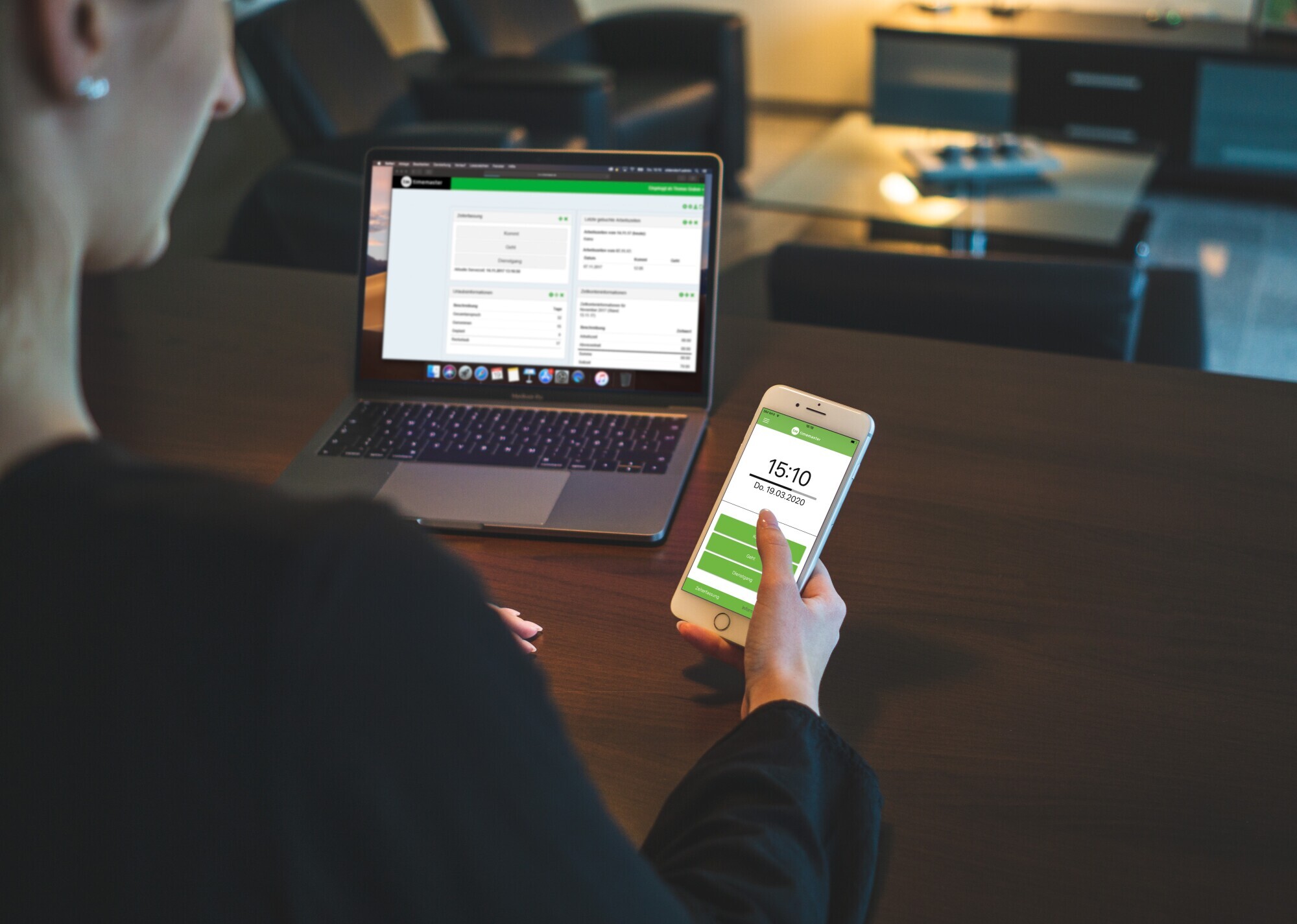
Using a high-quality time and attendance solution like TimeTrak® allows you to understand the exact work efforts of your team more accurately. Configure your system to, for example:
- Send supervisors an SMS or email alert when someone is late
- Escalate alerts automatically to HR after several missed shifts
- Use mobile push notifications to check in on employees
- Track response times to identify who is paying attention
- Analyze patterns of behavior to target high-risk individuals or teams
Attendance Data Integration and Analytics
Building a dashboard that you, supervisors, and individuals can see with different levels of transparency per role can help people understand when and why you
Modern time-tracking is often a digital process, and the data you can gather from it is priceless. As such, build a system that allows for tracking:
- Absence rates
- Late attendance rates
- Unscheduled time off
- Shift patterns
- Productivity patterns
Comparing these metrics directly lets you see when a specific action leads to poor work output and allows you to create automated reports for shareholders or managers. In addition to the aforementioned individual support, you can view this on a team level to enable supervisors to see which teams are developing bad habits and may need additional training.
Recognizing Punctuality and Attendance
Instead of, or as well as, responding to absenteeism, you can choose to reward those who have a longer record of perfect attendance. Using a gamification system, such as an automated points system, ranking, or award badges, to show how much you appreciate their effort.
If necessary, integrate this with payroll to issue direct rewards to those with zero or very few unexcused absences, such as:
- Periodic bonuses
- Fruit baskets
- Trophies or certificates
- Accrued days of vacation
You can also display leaderboards on digital signage or staff intranet systems to encourage friendly competition.
Recognizing the Reality of Illness in the Workplace
The CDC reports that efforts to reduce workplace absenteeism, such as offering paid sick leave, could save U.S. employers up to $1.88 billion in reduced costs yearly. The reasons for this may be:
- Preventing absences due to worsening conditions
- Allowing people to get back to 100% faster
- Avoiding the spread of disease in the workplace
- Improved mental health due to financial security
Pairing attendance systems with a robust system of illness recognition will ensure that people do not attend work when sick to “keep their number high.”
However, bear in mind that, according to ComPsych, mental health leaves of absence grew by 22% from 2023 to 2024. As such, you may need to focus on both the body and mind of your employees for the best results.
Leveraging Absenteeism Analytics
After gathering data on working patterns, dynamically generate “risk scores” for individuals based on when you believe they may be more likely to be late. Common examples include:
- Following a pattern of lateness
- When their clock-in time starts to get later and later
- The days surrounding celebrations or holidays
- After significant national or international news stories
- Declining overtime participation
- Approaching or directly after project deadlines
- During poor weather
Flag any employees you believe may be high-risk and take action to reach out to them to discover if they require assistance. Then, track any steps taken to prevent future absenteeism. Doing this can be all someone needs to get them back on track.
Track the return-to-work outcomes that occur and refine your process based on how well this works. Then, make changes to ensure your team feels more comfortable than ever in the office, making them less likely to suffer from future absences. To learn how to do all this and more, sign up for free at TimeTrak.com and explore what the service offers.
Take Control of Excessive Absenteeism Today
Using real-time alerts and predictive analytics, you can stay ahead of possible trends in excessive absenteeism. By responding to physical or mental health needs with support and offering rewards for consistent, planned attendance, you can empower staff to be in the office more often.
So, coordinate your efforts to improve your workplace and return-to-work programs by having more oversight of your team today. Contact the sales team at TimeTrak® to discover how our solution allows you to track and analyze attendance with less human error or stress today.